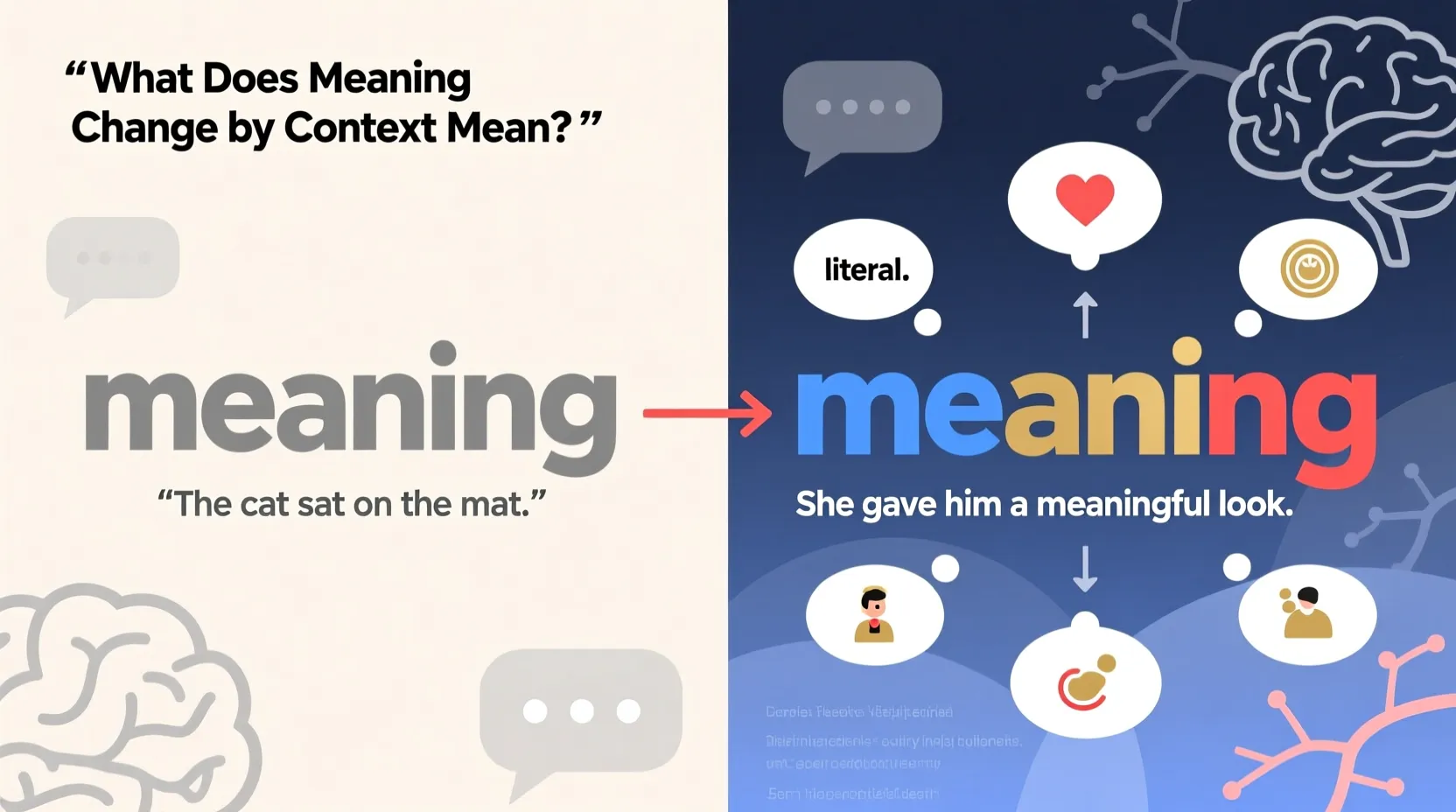
Have you ever read a text and thought, “Wait… what does that even mean?” 😵 You see a short phrase or slang, understand the words individually—but the meaning feels totally different depending on who said it, how they said it, or where you saw it.
That confusion usually comes from meaning changes by context.
It’s one of the most common reasons people misread texts, DMs, comments, or captions online.
Quick Answer:
Meaning Changes by Context means the same word, phrase, or slang can have different meanings depending on the situation, tone, platform, or relationship. It’s a casual, social-media–driven concept that explains why texts don’t always mean what they literally say.
Meaning Changes by Context 🤔💬
Meaning Changes by Context isn’t a single slang word—it’s a texting and communication concept.
In simple terms, it means:
The meaning of a message depends on how, where, and by whom it’s used—not just the words themselves.
For example, the word “okay” can mean:
- 👍 I agree
- 😐 I’m annoyed
- 😑 I don’t care
- 😡 Conversation over
Simple Example:
- Friend: “we need to talk”
- Context 1 (best friend, laughing earlier): probably nothing serious
- Context 2 (teacher or boss): uh-oh 😬
In short:
Meaning Changes by Context = Same words, different meanings based on situation and tone.
📱 Where Is Meaning Changes by Context Commonly Used?
You’ll notice meaning changes by context everywhere online, especially where messages are short and fast.
🔥 Common Platforms:
- 💬 Text Messages & WhatsApp
- 📸 Instagram DMs & comments
- 🎵 TikTok captions
- 👻 Snapchat
- 🎮 Gaming chats
- 🐦 X (Twitter) replies
📌 Tone Type:
- ✅ Mostly casual
- ✅ Very social-media–friendly
- ❌ Not ideal for formal or professional communication
Emojis, punctuation, lowercase typing, and timing all play a role here.
💬 Examples of Meaning Changes by Context in Conversation
Here are realistic chat-style examples showing how context changes meaning 👇
Example 1
- A: “sure.”
- B: “thanks!”
👉 could mean yes OR annoyed agreement 😐
Example 2
- A: “wow”
- B: “what?”
👉 could mean impressed 😮 or sarcastic 🙄
Example 3
- A: “fine.”
- B: “okay… 😬”
👉 usually means not actually fine
Example 4
- A: “lol”
- B: “that wasn’t funny…”
👉 here “lol” = awkward response
Example 5
- A: “k”
- B: “are you mad?”
👉 context makes it sound cold or irritated
Example 6
- A: “do whatever you want”
👉 almost never means permission 😅
🕓 When to Use and When Not to Use Meaning-Based Context
Understanding context helps you avoid misunderstandings.
✅ When to Pay Attention to Context
- Casual chats with friends
- Flirty or emotional conversations
- Online comments or replies
- Short or emoji-heavy messages
- Conversations with inside jokes
❌ When NOT to Rely on Context
- Work messages
- School emails
- Serious arguments
- Instructions or deadlines
- Talking to someone you don’t know well
📊 Context Comparison Table
| Context | Example Phrase | Why It Works |
|---|---|---|
| Friend Chat | “sureee 😄” | Tone shows friendliness |
| Close Friend | “fine.” | Context hints hidden emotion |
| Work Chat | “Understood.” | Clear & professional |
| “Please confirm once done.” | No confusion | |
| Social Media | “this is unbelievable💀” | Slang fits platform |
🔄 Similar Slang Words or Alternatives
Here are slang terms and ideas that depend heavily on context, just like this concept:
| Slang | Meaning | When to Use |
|---|---|---|
| okay | agreement or annoyance | Casual chats |
| sure | yes or sarcasm | Depends on tone |
| lol | laughing or awkward | Social media |
| bet | okay / deal | Youth slang |
| fine | neutral or upset | Emotional chats |
| cool | approval or disinterest | Casual use |
💡 Tip: Emojis often clarify context when words alone are confusing.
❓ FAQs About Meaning Changes by Context
❓ Is “Meaning Changes by Context” a slang term?
Not exactly. It’s a communication concept often discussed when explaining slang, texting confusion, or online misunderstandings.
❓ Why does context matter so much in texting?
Because texts lack voice tone, facial expressions, and body language—so the reader fills in the gaps.
❓ Can emojis change meaning?
Yes! Emojis can completely flip a message’s tone 😄😐😡
❓ Is this only for teens or Gen Z?
No. Everyone experiences it—but Gen Z uses more context-based slang, making it more noticeable.
❓ How can I avoid misunderstandings?
- Be clear when it matters
- Use emojis wisely
- Ask for clarification instead of assuming
🧾 Final Thoughts
Meaning Changes by Context explains why texting isn’t as simple as it looks. The same words can feel friendly, rude, flirty, or cold—depending on timing, tone, platform, and relationship.
Discover More Post
Abbreviations That Sound Similar 🔤😵💫
🧠 What Does Secret Message Shortcuts Mean in Text?
Misunderstood Slang Words That Confuse Everyone
Hidden Code Words in Chat for 2026
Double Meaning Text Abbreviations

Matherra is a results-driven digital brand focused on delivering high-quality content, smart strategies, and value-packed solutions for modern audiences. Specializing in SEO-optimized content, online growth strategies, and user-focused experiences, Matherra helps individuals and businesses improve visibility, engagement, and long-term success online.