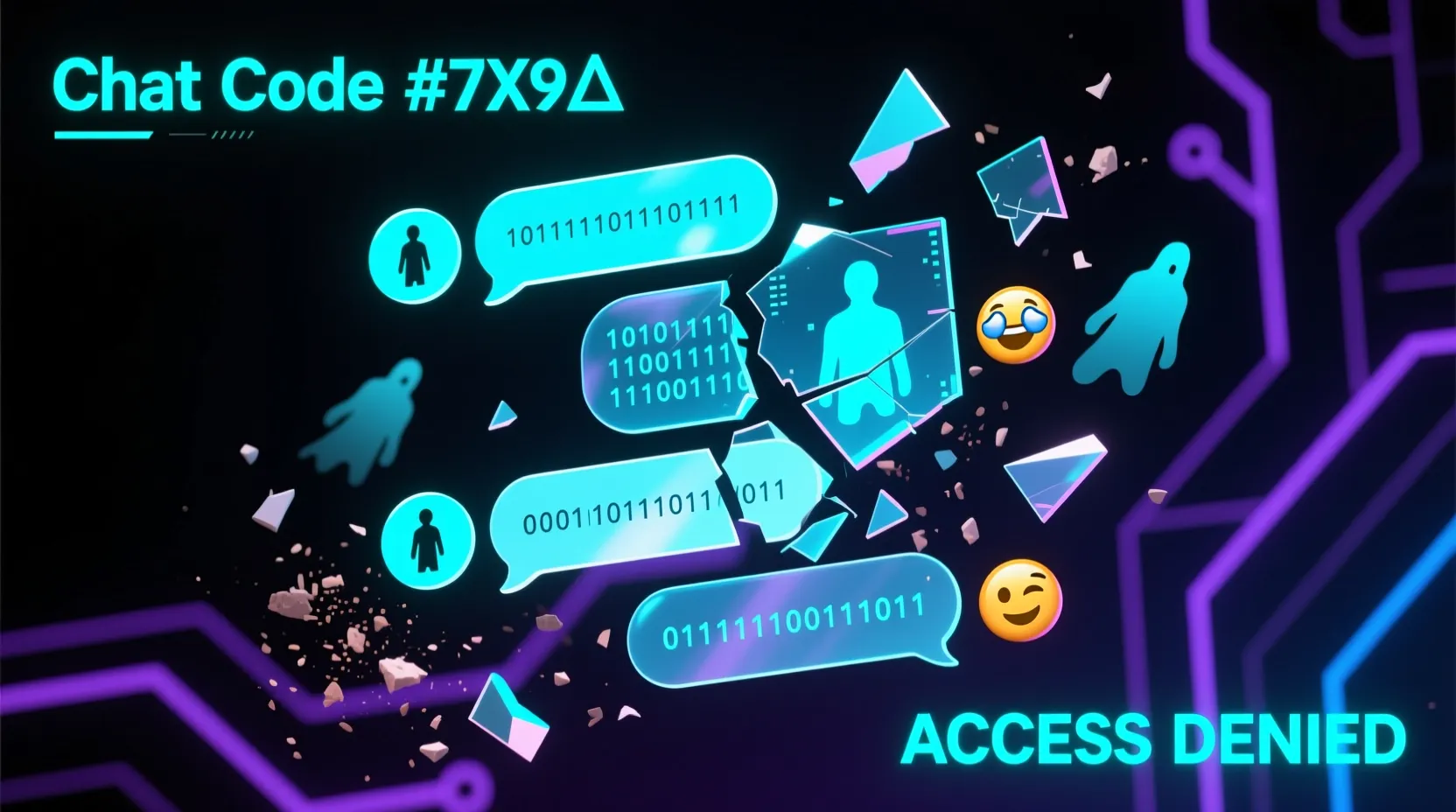
You’re scrolling through your chats when someone suddenly drops a short code like “IDC,” “K,” or “…” — and now you’re stuck wondering, what do they actually mean? 😅
That moment of confusion is super common, especially with ambiguous chat codes.
These are the kinds of short text slangs that don’t have just one clear meaning. Depending on tone, timing, or context, they can feel casual, cold, flirty, or even confusing.
Quick Answer:
Ambiguous Chat Codes are short text codes or slangs that can have multiple meanings. They’re usually casual and context-based, meaning their tone depends on who says them and how they’re used.
Ambiguous Chat Codes 🤔💬
Ambiguous chat codes refer to texting shortcuts or slangs that don’t explain emotions clearly on their own. Their meaning changes based on context, emojis, or the relationship between the people chatting.
For example, a simple “K” can mean:
- “Okay 😊” (agreeing)
- “Fine.” 😐 (annoyed)
- “I don’t want to talk.” 😶
Example:
“k.”
Depending on the situation, this could sound chill, annoyed, or dismissive.
In short:
Ambiguous Chat Codes = Multiple meanings = Context decides the tone.
📱 Where Are Ambiguous Chat Codes Commonly Used?
These codes are everywhere online, especially where fast replies matter.
- 💬 Text Messages — short, quick replies
- 📸 Snapchat — streaks and fast chats
- 🎵 TikTok Comments — vague reactions
- 🎮 Gaming Chats — quick, no-context replies
- 📱 Instagram DMs — casual & emoji-based
Tone Type:
👉 Mostly casual, informal, and social-media–friendly
❌ Not ideal for professional or serious communication
💬 Examples of Ambiguous Chat Codes in Conversation
Here are some realistic chat examples showing how confusing (and common) they can be:
A: “are you mad?”
B: “idk.”
A: “see you later?”
B: “maybe.”
A: “did you like it?”
B: “sure 😶”
A: “we still good?”
B: “k.”
A: “hello??”
B: “…”
A: “that was funny 😂”
B: “lol.”
A: “talk later?”
B: “we’ll see.”
Each reply means something different depending on mood, timing, and emojis.
🕓 When to Use and When Not to Use Ambiguous Chat Codes
✅ When to Use
- Casual chats with friends 👯
- Light conversations
- When tone doesn’t matter much
- Social media comments
- Gaming or group chats 🎮
❌ When Not to Use
- Formal conversations
- School or work messages 🏫
- Serious or emotional talks
- When clarity is important
- Apologies or urgent messages
📊 Context Comparison Table
| Context | Example Phrase | Why It Works |
|---|---|---|
| Friend Chat | “idk lol 🤷♂️” | Casual & relaxed |
| Group Chat | “maybe” | Non-committal |
| Work Chat | “I’ll confirm shortly.” | Clear & professional |
| “I will review and respond soon.” | Formal & precise |
🔄 Similar Slang Words or Alternatives
Here are some common ambiguous chat codes and their typical meanings:
| Slang | Meaning | When to Use |
|---|---|---|
| K | Okay / annoyed | Casual chats |
| IDC | I don’t care | Informal conversations |
| IDK | I don’t know | Neutral replies |
| Maybe | Uncertain | Avoiding commitment |
| Sure | Agreeing or passive | Context-based |
| … | Silence / confusion | Casual chats only |
❓ FAQs About Ambiguous Chat Codes
❓ Are ambiguous chat codes rude?
Not always. They can feel rude if used in serious conversations, but among friends, they’re usually normal.
❓ Why do people use ambiguous chat codes?
They’re quick, easy, and avoid long explanations — especially in fast chats.
❓ Can emojis change their meaning?
Yes! Emojis add emotion and clarity.
Example: “k 😊” vs “k.”
❓ Are ambiguous chat codes flirty?
Sometimes. In certain contexts, vagueness can feel playful or mysterious.
❓ Should I use them in professional chats?
No. Clear language is always better for work or school communication.
📝 Final Thoughts
Ambiguous chat codes are a huge part of modern texting culture. They save time, feel casual, and keep conversations moving — but they can also create confusion if used in the wrong moment. The key is context. Always think about who you’re talking to and what the situation is before using them.
If you’re ever unsure, adding a few extra words or an emoji can make all the difference 😊

Mark Twain was born in Florida, Missouri, and grew up in Hannibal, a town along the Mississippi River that later inspired many settings in his famous novels. After his father’s death, Twain left school early and worked as a printer, riverboat pilot, journalist, and lecturer experiences that deeply influenced his writing.