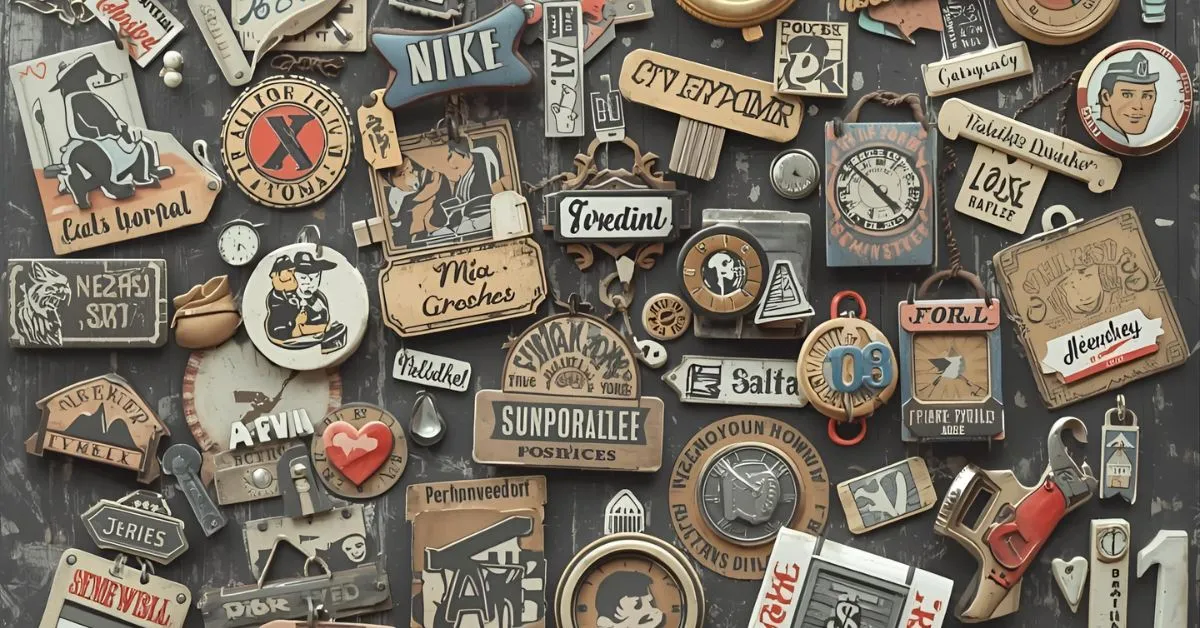
Ever received a message like “BRB, TTYL” or “LMK ASAP” and wondered if your friend just typed a secret language? You’re not alone. I remember staring at my phone thinking, “Did I just unlock a spy conversation?” That’s when I realized—these are everyday message codes, little shortcuts people use to type faster, sound casual, and stay connected without writing full sentences.
Quick Answer:
Everyday message codes are short forms or abbreviations like BRB (Be Right Back) or IDC (I Don’t Care) used in texting and social media to save time and express emotions more efficiently. They’re casual, friendly, and super common in daily conversations.
🧠 What Do “Everyday Message Codes” Mean in Text?
Everyday message codes are short, typed expressions used in digital communication, mostly made from capital letters or acronyms. They help people say a lot with just a few characters.
✔ Example:
- “BRB, getting coffee.” → Be Right Back, getting coffee
In short:
Everyday Message Codes = Abbreviations + Emojis + Shortcuts for faster and more expressive chatting.
📱 Where Are Everyday Message Codes Commonly Used?
You’ll see these codes everywhere people chat casually:
- 📱 Text Messages (SMS/WhatsApp)
- 📸 Snapchat streaks and captions
- 🎮 Gaming chats (Discord, Xbox Live)
- 📷 Instagram DMs & Stories
- 🐦 Twitter (X) posts & replies
- 💼 Sometimes in informal work chats (Slack, Teams)
👉 Tone:
- Mostly casual and friendly
- Sometimes flirty or sarcastic
- Not ideal for formal emails or professional reports
💬 Examples of Everyday Message Codes in Conversations
Here are realistic chat-style examples:
1.
A: where r u?
B: omw, 2 mins
2.
A: you free tonight?
B: idk yet, brb asking mom
3.
A: that was hilarious 😂
B: fr, i’m still laughing
4.
A: wanna go out or stay in?
B: idc, u choose
5.
A: talk later?
B: yupp ttyl
6.
A: u did great today!!
B: tysm, means a lot 🥹
7.
A: did u send the file?
B: almost done, gimme 5 mins
🕓 When to Use and When Not to Use Everyday Message Codes
✅ When to Use:
- Casual chats with friends or siblings
- Social media captions or comments
- Fast replies when you’re busy
- Light-hearted or humorous conversations
❌ When Not to Use:
- In emails or messages to teachers/managers
- Job applications or formal letters
- Serious or emotional conversations
- When clarity is more important than speed
📊 Comparison Table
| Context | Example Phrase | Why It Works / Not Works |
|---|---|---|
| Friend Chat | “brb, making tea 😂” | Casual & friendly |
| Work Chat | “I’ll send it soon.” | Polite & professional |
| “Please review at your ease.” | Formal & respectful | |
| Gaming Chat | “GG 😂 u did great” | Fun, casual gamer slang |
🔄 Similar Slang Words or Alternatives
| Slang | Full Form | When to Use |
|---|---|---|
| BRB | Be Right Back | Stepping away briefly |
| TTYL | Talk To You Later | Ending a conversation politely |
| LMK | Let Me Know | Asking for a reply or decision |
| IDC | I Don’t Care | Casual, when you’re okay with anything |
| ASAP | As Soon As Possible | Slightly urgent, friendly or formal |
| TBH | To Be Honest | When sharing honest opinions |
FAQs About Everyday Message Codes
1. Are message codes like “brb” or “idc” rude?
Not usually. They’re casual, but tone depends on the context and relationship.
2. Should I use them in work emails?
No. It’s better to use full sentences in professional communication.
3. Do all age groups use these?
Teens and young adults use them most, but many adults are familiar with common ones like “FYI” and “ASAP.”
4. Are emojis also considered message codes?
Yes! Emojis act like visual message codes, expressing emotion more clearly.
5. How can I learn them easily?
Pay attention to chats, social media, or online slang lists — you’ll pick them up naturally.

Mark Twain was born in Florida, Missouri, and grew up in Hannibal, a town along the Mississippi River that later inspired many settings in his famous novels. After his father’s death, Twain left school early and worked as a printer, riverboat pilot, journalist, and lecturer experiences that deeply influenced his writing.