Have you ever been scrolling through a chat or comment section and suddenly seen a word that made you pause like… wait, what does that even mean?
You might think you understand it, but later realize you totally took it the wrong way.
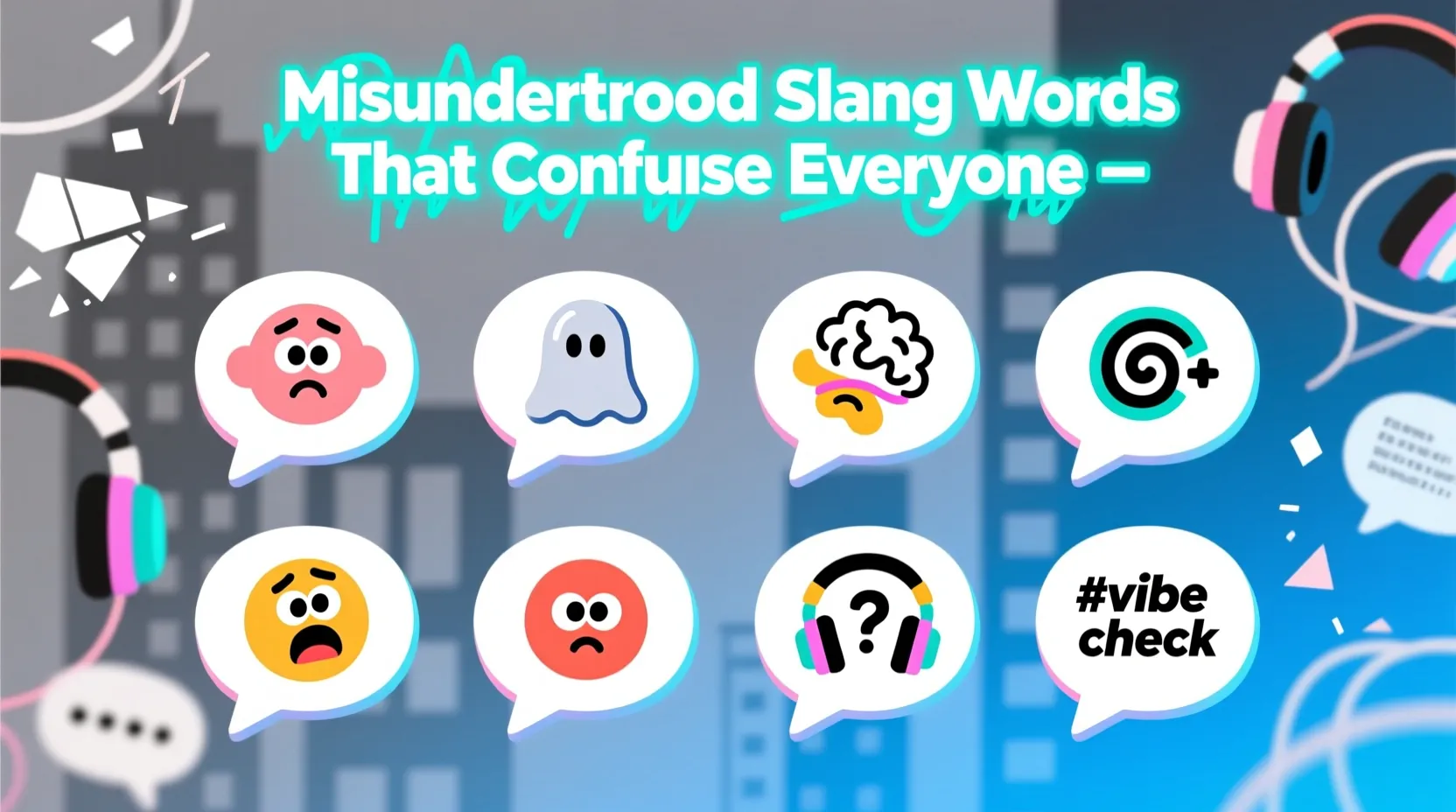
That’s exactly how misunderstood slang works. These words or phrases are super common online, yet their meanings often confuse people—especially across different ages, cultures, or social media platforms.
Quick Answer:
Misunderstood slang means popular internet or texting words that people often interpret incorrectly. It’s usually casual and social-media–friendly, and it can completely change the tone of a message if you misunderstand it.
🧠 What Does Misunderstood Slang Mean in Text?
Misunderstood slang isn’t one single word—it’s a category. It refers to slang terms that look simple but have meanings people often get wrong. Sometimes the meaning changes based on tone, emoji use, or context.
For example, words like “sure,” “ok,” “fine,” or “bet” can mean very different things depending on how and where they’re used.
Example sentence:
“He replied with ‘sure.’ I couldn’t tell if he was excited or annoyed.”
In short:
Misunderstood slang = commonly used slang = often misread meaning
📱 Where Is Misunderstood Slang Commonly Used?
You’ll mostly find misunderstood slang in casual, fast-moving online spaces 👇
- 📩 Text messages — tone is easy to misread
- 📸 Snapchat — short replies + emojis change meaning
- 🎵 TikTok comments — slang evolves fast
- 🐦 X (Twitter) — sarcasm causes confusion
- 🎮 Gaming chats — slang meanings differ by community
👉 Tone: Mostly casual, sometimes playful, sometimes passive-aggressive.
👉 Not formal — avoid in professional writing.
💬 Examples of Misunderstood Slang in Conversation
Here are some realistic chat examples showing how misunderstood slang appears in everyday texting 👇
1️⃣ Example: “sure”
A: can you help me later?
B: sure 🙂
(friendly… or not? depends on context)
2️⃣ Example: “ok.”
A: sorry, i’ll be late
B: ok.
(neutral or annoyed?)
3️⃣ Example: “fine”
A: are you mad?
B: i’m fine.
(usually not fine 😬)
4️⃣ Example: “bet”
A: meet at 6?
B: bet 🔥
(means “yes” or “sounds good”)
5️⃣ Example: “lol”
A: that kinda hurt
B: lol
(can feel dismissive if misused)
6️⃣ Example: “k”
A: did you understand?
B: k
(often feels cold or uninterested)
🕓 When to Use and When Not to Use Misunderstood Slang
✅ When to Use
- Casual chats with friends 🧑🤝🧑
- Light conversations on social media
- When tone is already clear with emojis
- Inside jokes or relaxed texting
❌ When Not to Use
- Formal emails 📧
- Serious or emotional conversations
- Work or school communication
- Situations needing clarity or urgency
📊 Context Comparison Table
| Context | Example Phrase | Why It Works |
|---|---|---|
| Friend Chat | “sure 😄” | Emoji adds friendly tone |
| Group Chat | “bet 🔥” | Casual & confident |
| Work Chat | “Yes, that works for me.” | Clear & professional |
| “I will review this shortly.” | Formal & unambiguous |
🔄 Similar Slang Words or Alternatives
Here are some slang terms that are often misunderstood, plus safer alternatives 👇
| Slang | Meaning | When to Use |
|---|---|---|
| sure | yes / maybe / passive | Casual chats only |
| bet | okay / agreed | Friends, social media |
| fine | okay (sometimes upset) | Be careful—tone matters |
| k | okay (short) | Very informal |
| lol | laughing / awkward filler | Only if tone is light |
| alright | neutral agreement | Safer than “k” |
❓ FAQs About Misunderstood Slang
🔹 Why is slang so often misunderstood?
Because texting lacks tone, facial expressions, and voice, making short words feel cold or unclear.
🔹 Does misunderstood slang change meaning by age?
Yes! Older and younger users may interpret the same slang differently.
🔹 Are emojis important with slang?
Absolutely 👍 Emojis often clarify emotion and prevent confusion.
🔹 Is misunderstood slang rude?
Not always—but it can feel rude if used without context.
🔹 Should I avoid slang completely?
No, just know your audience and the situation.
🧩 Final Thoughts
Misunderstood slang is a big part of modern digital communication. It’s quick, trendy, and expressive—but also risky if the meaning isn’t clear. A single word like “sure” or “k” can completely change how your message feels.
Discover More Post
Hidden Code Words in Chat for 2026
Double Meaning Text Abbreviations
Esports Lingo Explained
Streamer Chat Terms

Matherra is a results-driven digital brand focused on delivering high-quality content, smart strategies, and value-packed solutions for modern audiences. Specializing in SEO-optimized content, online growth strategies, and user-focused experiences, Matherra helps individuals and businesses improve visibility, engagement, and long-term success online.