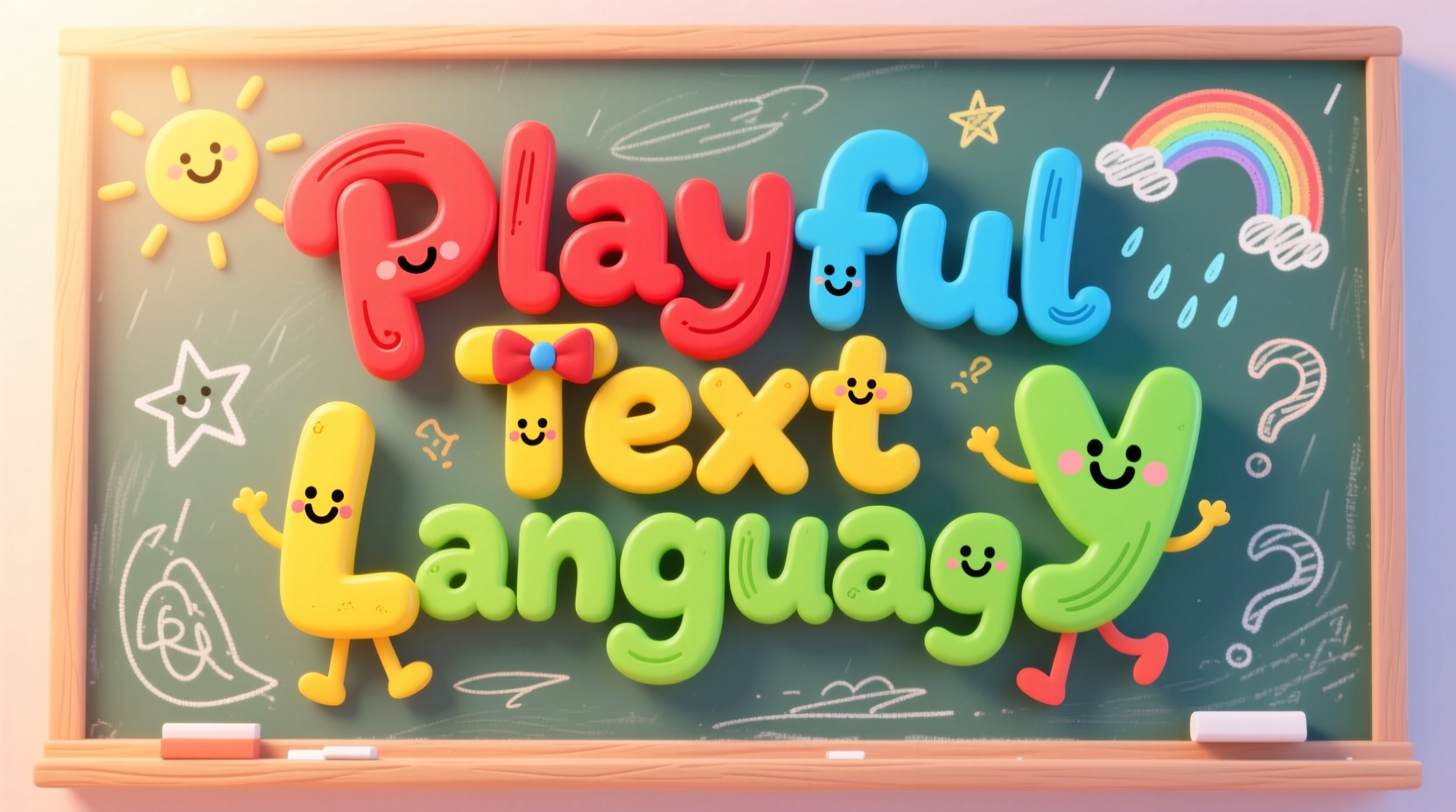
In the digital age, language has evolved beyond formal grammar and spelling. Text messages, social media posts, and online chats have given birth to a vibrant, expressive, and often humorous way of writing — known as Playful Text Language.
This modern linguistic style blends creativity, emotion, and humor to make written communication more personal and engaging.
What Is Playful Text Language?
Playful Text Language refers to the informal, imaginative way people use words, symbols, and formats to communicate online. It often includes:
- Abbreviations (LOL, BRB, IDK)
- Emojis and emoticons 😀😂❤️
- Stylized spellings (lyke dis, sooo, gud, heyyy)
- Creative punctuation (!!!, ???, …)
- Mixed scripts or fonts (𝓬𝓾𝓽𝓮 𝓽𝓮𝔁𝓽, 𝙗𝙤𝙡𝙙 𝙩𝙚𝙭𝙩)
- Playful tone or exaggeration (I’m cryiiiing 😭😭😭)
This type of language isn’t about being grammatically correct — it’s about expressing personality, emotion, and connection.
Origins and Evolution
The roots of playful text language go back to early internet communication — from chatrooms and instant messaging to SMS texting in the 1990s and early 2000s. Limited character counts and slower typing led people to shorten words and invent new symbols. Over time, as social media and memes grew, playful text became part of pop culture.
Today, platforms like Twitter (X), TikTok, and Instagram have made it even more creative. The rise of Gen Z slang and internet humor continues to expand how we play with words online.
Features of Playful Text Language
- Expressive Emotion:
Users stretch words (“noooooo”), add emojis, or use capital letters (“OMG!!!”) to show feelings more vividly. - Community Identity:
Certain groups use specific phrases or styles (like fandoms, gamers, or meme communities) to signal belonging. - Humor and Irony:
Playful language often includes sarcasm, deliberate misspellings, or memes for comedic effect. - Creativity and Aesthetics:
Fancy fonts, ASCII art, or aesthetic text styles make communication more visually appealing.
Why People Use Playful Text Language
- To show personality: It makes messages sound more human and less robotic.
- To build closeness: Shared slang and humor strengthen social bonds.
- To save time: Shortened forms make communication quick and efficient.
- To stand out: Unique writing styles attract attention and express individuality.
Examples
| Formal Text | Playful Text Language |
| I am laughing so hard! | LOL 😭😂 I can’t— |
| That’s really good! | omg so gud 😩✨ |
| I don’t know. | idk 🤷♀️ |
| Congratulations! | congrats!!! 🎉💖 u did itttt!!! |
The Psychology Behind It
Playful text language reflects how humans adapt to digital communication. Psychologists note that it helps express tone and emotion lost in plain text. It’s also linked to creativity, social intelligence, and adaptability, as people tailor their style to different audiences and platforms.
The Academic View
Linguists see playful text language as evidence that language is alive — constantly evolving. Far from being a threat to literacy, it shows how people use linguistic innovation to stay expressive in new media.
Conclusion
Playful Text Language isn’t just internet slang — it’s a living, creative expression of how people connect in the digital era. It blends emotion, humor, and style, proving that communication is about more than words; it’s about feeling understood.
Whether it’s a “heyyy 😜” or a “brb lol,” playful language adds color and joy to our online conversations.

Mark Twain was born in Florida, Missouri, and grew up in Hannibal, a town along the Mississippi River that later inspired many settings in his famous novels. After his father’s death, Twain left school early and worked as a printer, riverboat pilot, journalist, and lecturer experiences that deeply influenced his writing.