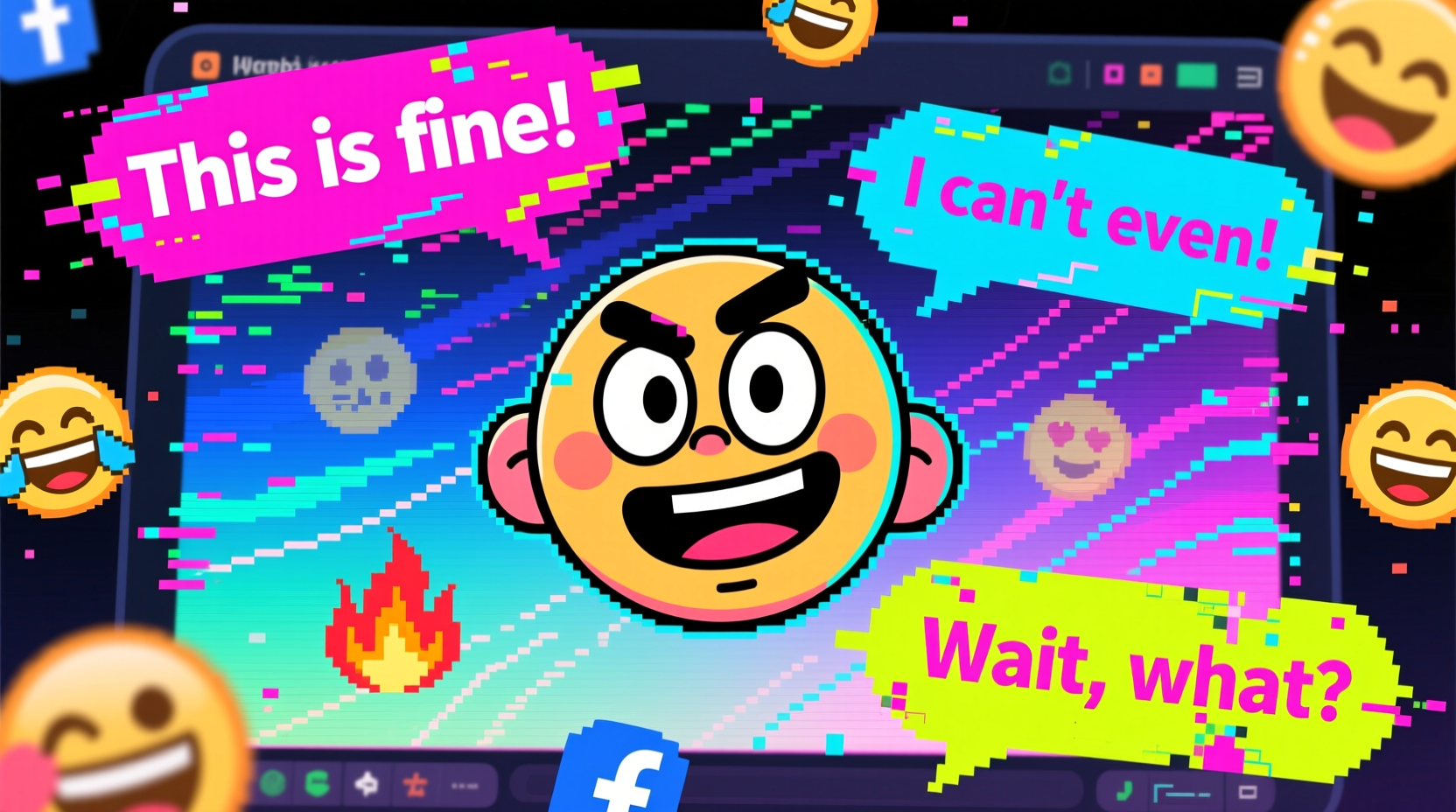
In the vast landscape of the internet, humor has evolved into a coded language — full of numbers, acronyms, memes, and references that only those “in the know” can fully appreciate. These Internet Humor Codes have become a cornerstone of digital communication, allowing users to express complex emotions, jokes, and social commentary in just a few characters.
What Are Internet Humor Codes?
Internet humor codes are numbers, phrases, or shorthand used online to represent jokes, memes, or specific cultural references. These codes act as shortcuts to entire stories or feelings — a kind of insider language that builds connection among online communities.
Some originate from forums, gaming culture, or early internet chatrooms. Others spread through social media platforms like Reddit, TikTok, or X (formerly Twitter), evolving as trends and subcultures change.
Origins of Internet Humor Codes
The earliest versions of humor codes appeared on forums and early chat systems like Usenet, IRC, and 4chan, where users had to communicate quickly and creatively. Limited characters and anonymity encouraged brevity and inventiveness.
Numbers began to take on meanings — often as puns, wordplay, or references to specific memes. For instance:
- 404 became shorthand for “not found” — a nod to the HTTP error message, but also used jokingly to describe missing people, ideas, or logic.
Example: “Brain.exe 404 Not Found.” - 1337 (leet) — a stylized version of the word “elite,” popularized in hacker and gaming circles in the early 2000s.
Popular Internet Humor Codes and Meanings
Here are some well-known (and some newer) examples of codes used in internet humor:
| Code | Meaning | Origin/Context |
| 404 | Not found / missing | Based on HTTP error code |
| 1337 | “Leet” or elite | Hacker culture, early internet slang |
| 69 | Sexual innuendo | Pop culture reference |
| 420 | Cannabis reference | Counterculture, now meme shorthand |
| 666 | Evil / devilish humor | Biblical number, meme exaggeration |
| 101 | Basic / introductory | Academic course numbering |
| 9000 | Over-the-top exaggeration (“It’s over 9000!”) | Dragon Ball Z meme |
| 143 | “I love you” (1 letter, 4 letters, 3 letters) | Pager/texting culture of the 1990s |
| 404 Brain Not Found | Humor about confusion or forgetfulness | Meme adaptation of “404 Not Found” |
| 07 | Salute / respect | Emote from gaming and chat culture |
Acronym and Letter Codes
Alongside numbers, acronym-based humor is just as central to online expression. These include:
- LOL – Laugh Out Loud
- LMAO / LMFAO – Laughing My (Freaking) A** Off
- ROFL – Rolling On the Floor Laughing
- BRB / AFK – Be Right Back / Away From Keyboard
- TL;DR – Too Long; Didn’t Read (often followed by a summary)
- FML – “F*** My Life” (self-deprecating humor)
- IRL – In Real Life (used ironically in contrast to online life)
Over time, these acronyms have shifted in tone. For instance, “LOL” now often signals mild amusement or friendliness rather than genuine laughter.
Coded Humor in the Meme Era
As memes became the main format of online humor, codes evolved beyond numbers and acronyms. Inside jokes, image templates, and even emoji combinations now act as “codes” for shared humor.
- 🧍♂️ + 😭 can imply “awkward sadness.”
- 🗿 (the Moai emoji) has become a symbol of deadpan or emotionless reactions.
- Ratio on X means a post has more replies than likes — used as a humorous form of disapproval.
These visual codes function just like numeric or textual ones — concise, layered, and communal.
Why Internet Humor Codes Matter
- They Build Community:
Understanding these codes signals belonging to an online culture.
It’s like speaking the same dialect within a massive digital world. - They Evolve Quickly:
What’s funny or relevant today may be outdated tomorrow — a reflection of internet culture’s speed. - They’re Efficient:
A few digits or letters can convey tone, irony, or shared experience better than long explanations. - They’re Universally Accessible:
Despite language barriers, many codes (like 404 or 69) are recognized globally.
The Future of Internet Humor Codes
As AI, virtual worlds, and new communication platforms emerge, internet humor will continue to evolve. We may see more AI-generated humor codes, emoji mashups, or even visual “meme QR codes” that represent shared jokes.
But one thing remains certain — humor will always find a way to adapt, compress, and connect people through clever shorthand.
Conclusion
Internet humor codes are more than just funny numbers or acronyms — they’re a reflection of how online communities think, connect, and laugh together. Whether you’re dropping a casual “LOL,” joking about a “404 brain error,” or referencing “420” on April 20th, you’re participating in a living, evolving language that defines internet culture itself.

Mark Twain was born in Florida, Missouri, and grew up in Hannibal, a town along the Mississippi River that later inspired many settings in his famous novels. After his father’s death, Twain left school early and worked as a printer, riverboat pilot, journalist, and lecturer experiences that deeply influenced his writing.